
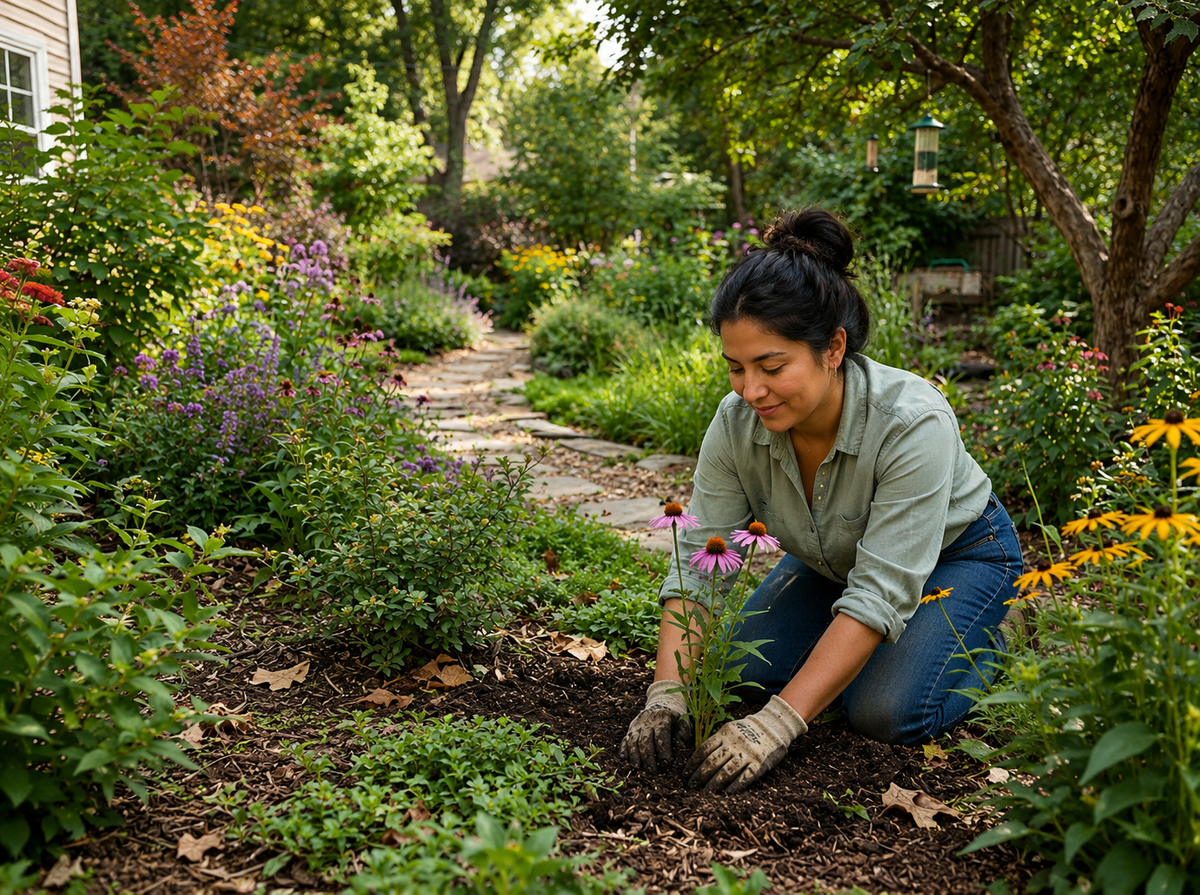
Creating a backyard that thrives with minimal intervention and actively supports local flora and fauna is a powerful step towards regenerative living. A resilient ecosystem is one that can adapt to challenges, conserve resources, and naturally maintain its health and beauty, transforming your outdoor space into a vital hub for life. At Vital Soil Landscapes, we believe in empowering homeowners to cultivate these dynamic, nature-led environments right at their doorstep.
Laying the Foundation: The Living Soil
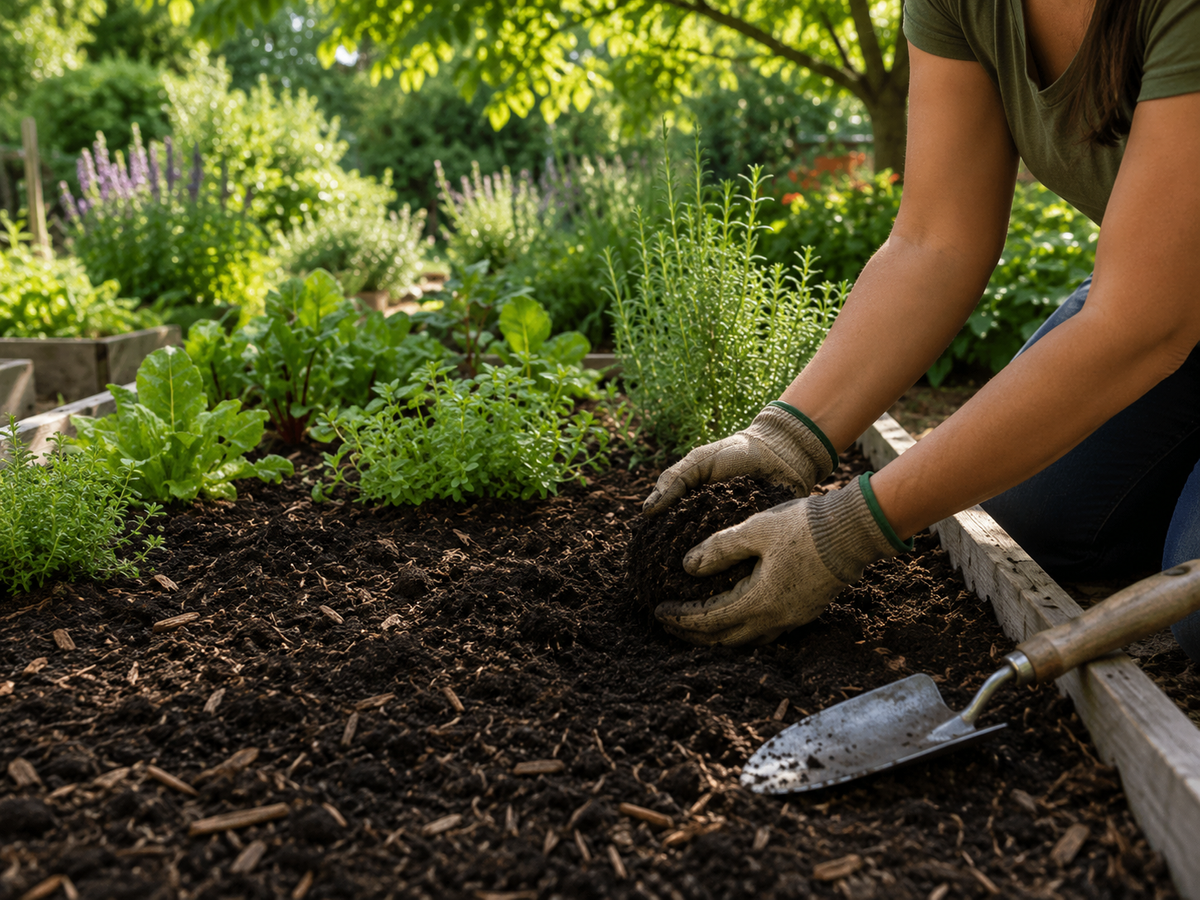
The heart of any resilient ecosystem lies beneath your feet: the soil. Healthy soil is a complex, living matrix teeming with microorganisms, fungi, and organic matter that work tirelessly to cycle nutrients, retain water, and support robust plant growth. Instead of viewing soil as merely a medium to hold plants, recognize it as a vibrant community that dictates the health of your entire landscape. Practices such as consistent mulching with organic materials, integrating compost, and minimizing soil disturbance through no-dig gardening can dramatically improve soil structure and fertility, reducing the need for external inputs.
Embracing Biodiversity Through Thoughtful Planting
A diverse array of plants is crucial for creating a stable and adaptable ecosystem. Monocultures are vulnerable, while a rich variety of native plants, trees, shrubs, and groundcovers provides multiple benefits. Native plants are inherently adapted to local climate and soil conditions, requiring less water and maintenance once established. They also form the bedrock of the local food web, providing essential habitat, nectar, and host plants for pollinators, beneficial insects, and birds. Think in layers – from canopy trees to understory shrubs to herbaceous perennials – to maximize ecological niches and ensure year-round interest and resilience.
Intelligent Water Management for a Thirsty World
Water is a precious resource, and how we manage it in our landscapes profoundly impacts our ecosystem's resilience. Designing your backyard to capture, retain, and slowly release rainwater mimics natural hydrological cycles. Consider incorporating features like rain gardens, which collect stormwater runoff and allow it to slowly infiltrate the ground, or permeable pathways that prevent runoff and reduce erosion. Efficient irrigation, such as drip systems, delivers water directly to plant roots, minimizing waste. By prioritizing water-wise plant selections and strategic design, you can significantly reduce your landscape's water footprint and enhance its ability to withstand dry spells.
Fostering Natural Balances and Cycles
A truly resilient ecosystem welcomes and integrates natural processes. This means moving away from a mindset of fighting "pests" and towards fostering natural balances. Attracting beneficial insects, birds, and other wildlife that prey on common garden pests can reduce the need for chemical interventions. Allowing leaves and plant debris to break down in place (or in a compost pile) returns valuable nutrients to the soil, completing the natural cycle. When you observe and support these natural cycles, your garden becomes a self-regulating system, capable of handling minor disturbances without human interference.
Cultivating a resilient backyard ecosystem is an empowering journey that transforms your personal space into a thriving, low-maintenance haven, contributing positively to the wider natural world. By focusing on vital soil health, embracing biodiversity, managing water wisely, and nurturing natural cycles, you create a landscape that is beautiful, productive, and robust for years to come. To explore how these regenerative principles can be applied to your unique outdoor space, we invite you to learn more about nature-led landscape design and stewardship.