Services For Thriving Sites
Transforming landscapes through regenerative design, hands-on education, and expert consultation.
Design, Education, And Consultation
Permaculture Landscape Design
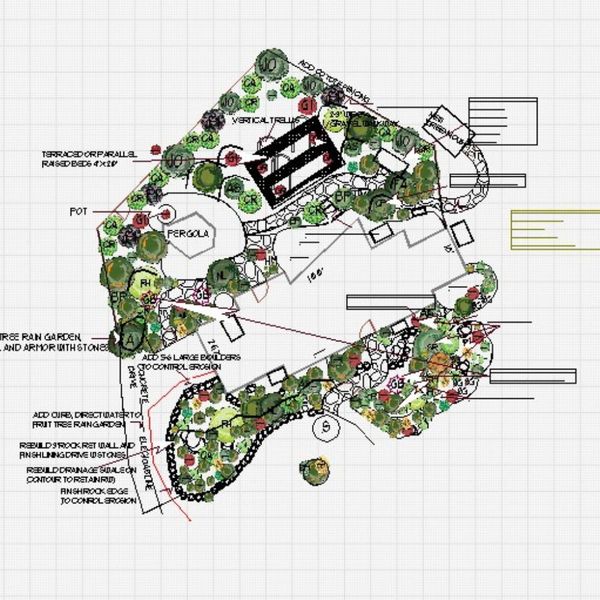
VSL creates sustainable, resilient, and productive landscape designs by:
Conducting comprehensive site assessments of climate, landform, soils, water flow, sun, wind, wildlife, and environmental risks.
Designing rainwater harvesting and greywater reuse systems.
Applying low-water, no-till, and low-weed design strategies.
Incorporating active and passive rainwater harvesting systems.
Designing productive gardens, raised beds, high tunnels, low tunnels, and greenhouses.
Selecting edible, medicinal, native, and climate-appropriate plants for New Mexico's diverse environments.
Integrating livestock to improve soil fertility, biodiversity, and natural pest management.
Preventing erosion and building healthy, living soils.
Reducing or eliminating the need for chemical fertilizers and pesticides.
Utilizing reclaimed and site-sourced materials whenever possible to reduce costs and environmental impacts.
The result is a landscape that conserves water, builds soil, supports biodiversity, decreases in maintenance, and becomes more abundant and resilient over time.
We partner with trusted licensed, bonded and insured professionals for landscape and rainwater/greywater harvesting systems installation.
Education
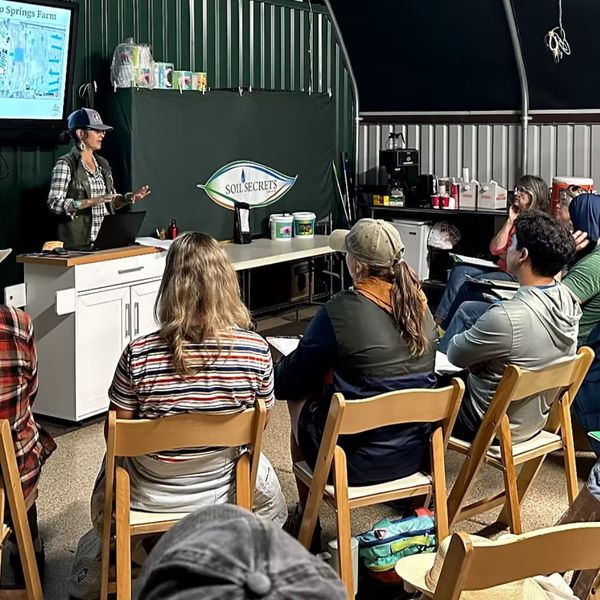
VSL offers engaging classes, workshops, and hands-on trainings designed for homeowners, gardeners, ranchers, farmers, land stewards, and landscape professionals. We offer classes and workshops customized to audience needs which cover a wide range of permaculture, water-wise, and holistic landscape design topics. Our educational programs provide practical tools, skills, and strategies students can immediately apply to residential, commercial, public or agricultural sites.
Sample Workshop Topics
- Permaculture Design for Resilient Landscapes & Sustainable Living
- Regenerative Farming and Ranching
- Public Policy and Social Permaculture
- Rainwater Harvesting: Planting the Rain
- Soil Hydration
- Permaculture For The Drylands
- Building Living Soil
- Dryland Food Forests
- Productive Native Landscapes
- Climate-Resilient Gardens
Consultation
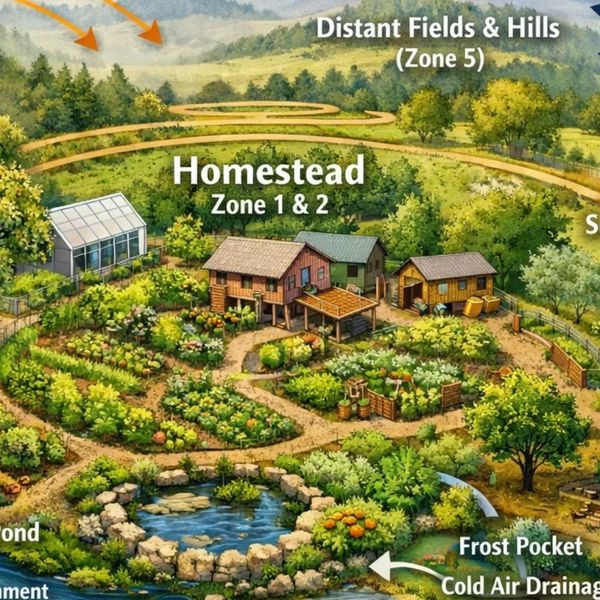
VSL provides personalized, on-site consultation designed to help you understand your site's strengths, weaknesses, opportunities and challenges while identifying practical solutions that work with nature rather than against it to help you achieve your desired landscape. During the consultation, we walk your property, discuss your goals, and evaluate existing conditions including water flow, soils, vegetation, microclimates, access, infrastructure, and land use patterns. Using permaculture design principles and dryland water-wise strategies, we identify ways to improve the health, productivity, beauty, and resilience throughout your site.
Frequently Asked Questions
What is permaculture?
Permaculture is a design approach for creating productive, resilient systems that work with natural patterns and processes while meeting human needs.
What is regenerative landscape design?
It is landscape design that actively improves soil health, water cycles, biodiversity, habitat, and long-term resilience rather than simply maintaining a landscape.
What are the key principles?
- Build healthy, living soil through organic matter, compost, mulch, and beneficial soil biology.
Conserve and infiltrate water using rainwater harvesting, swales, basins, contouring, and appropriate plant selection.
Increase biodiversity with native and climate-adapted plants, pollinators, wildlife habitat, and diverse plant communities.
Grow food by integrating fruit trees, vegetables, herbs, berries, and other productive plants into the landscape.
Reduce inputs such as excessive irrigation, synthetic fertilizers, pesticides, and unnecessary maintenance.
Create resilient plant communities that are better adapted to drought, heat, cold, wind, and changing climate conditions.
Work with natural systems rather than against them — using the site's sun, water movement, soil, topography, and existing vegetation as design resources.
Do you work with existing landscapes?
Yes. Many of our projects begin with an established landscape that needs healthier soil, better water management, or a transition toward native and habitat-supporting plantings.
What types of properties do you design?
We design landscapes for homes, farms, ranches, new developments, eco-villages, off-grid "earth ships", community gardens and more.
Why is healthy soil so important for thriving landscapes?
Healthy soil is the foundation of a resilient, productive landscape. Soil is a living system where chemistry, carbon, roots, and microbiology work together. Ways to build healthy soils:
Build soil structure and porosity — Improve compacted soils so roots, water, oxygen, and microbes can penetrate deeper.
Build carbon — Use appropriate organic matter, compost, mulch, and carbon-based soil conditioners to support soil structure and biology.
Grow healthy roots — More living roots contribute organic biomass and help build topsoil.
Support beneficial microbes — Encourage plant-growth-promoting bacteria (PGPR) that participate in nutrient cycling.
Support mycorrhizal fungi — Mycorrhizae extend the effective root zone through fungal hyphae, helping plants access water and minerals.
Improve nutrient availability — Soil Secrets' approach combines soil chemistry with biology to help make soil minerals more available to plants.
Improve water management — Better soil porosity and carbon can increase infiltration and moisture-holding capacity.
Feed the soil biology — Prebiotics → Probiotics → Postbiotics: improve the soil environment, introduce beneficial biology, then provide food for that biology.
Test before treating — Identify pH, compaction, salinity, organic matter, and nutrient conditions before selecting amendments or a soil protocol.
Fix the soil environment → build the biology → feed the biology → grow stronger roots → improve the landscape.
Ready To Transform Your Land?
Request your free 15-minute consultation to discuss your vision, goals, and how we can help.