In an era of unpredictable climate patterns and increasing drought severity, securing our agricultural future hinges on understanding and nurturing the very foundation of our food systems: the soil. Beyond advanced irrigation techniques or crop genetics, the most resilient defense against water scarcity lies hidden beneath our feet, within the intricate web of soil organic matter and microbial life. At Vital Soil Landscapes, we believe in empowering communities and land stewards with the knowledge to cultivate robust, drought-proof ecosystems, starting from the ground up.
The Earth's Sponge: Soil Organic Matter
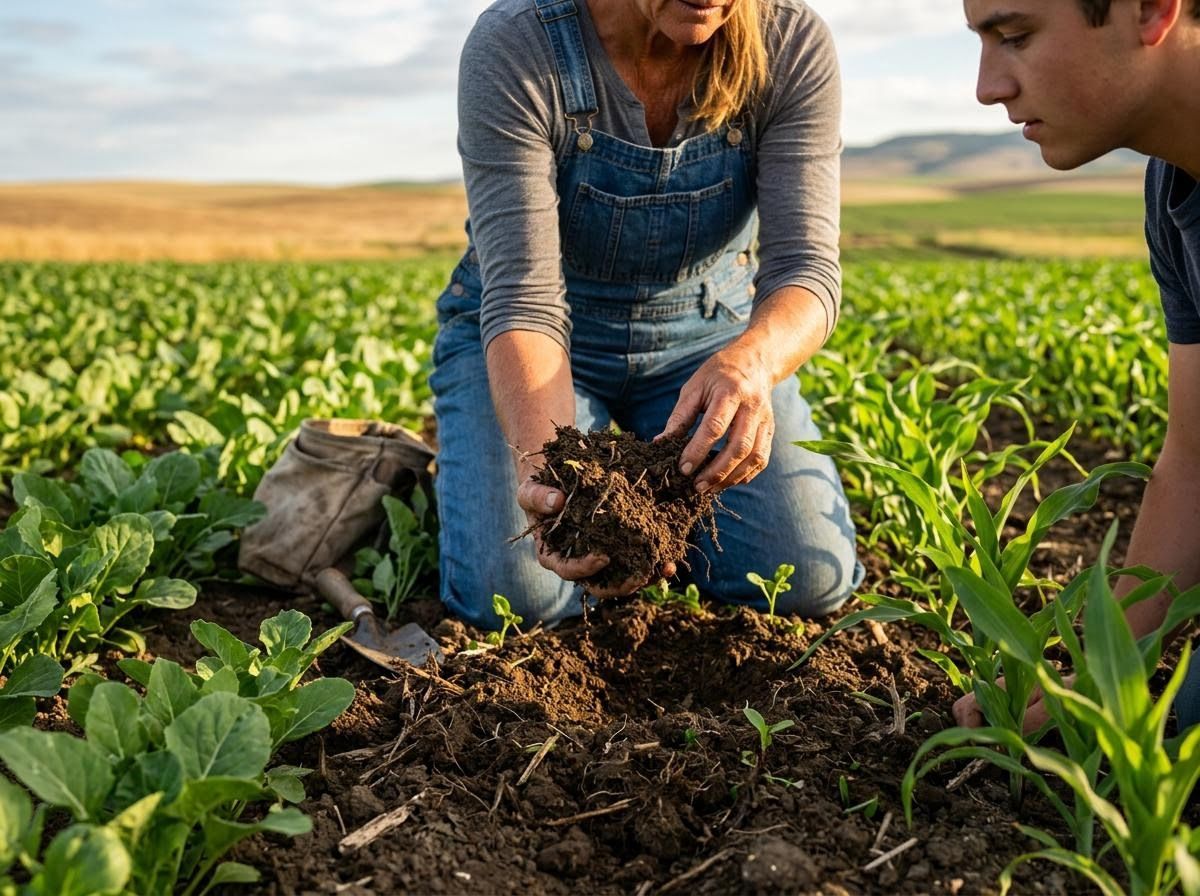
Soil organic matter is the unsung hero in the fight against drought. Composed of decomposing plant and animal material, it acts like a giant sponge, significantly increasing the soil's capacity to absorb and retain water. For every 1% increase in soil organic matter, the soil can hold an additional 20,000 gallons of water per acre. This isn't just about storage; it also improves soil structure, creating channels for water infiltration and reducing runoff, which means more precious rainfall soaks in rather than flowing away. Furthermore, organic matter is a slow-release reservoir of nutrients, ensuring plants have access to what they need even during dry spells, fostering stronger, more resilient growth.
Microbes: The Unseen Engineers of Resilience
Beneath our feet, an unseen army of microorganisms, including bacteria, fungi, protozoa, and nematodes, forms the soil food web. These incredible engineers are vital for plant health and drought tolerance. Mycorrhizal fungi, for example, extend plant root systems, dramatically increasing their access to water and nutrients from a larger soil volume. Bacteria convert atmospheric nitrogen into plant-available forms, while others produce glues and gums that bind soil particles together, further enhancing water infiltration and retention. A healthy, diverse microbial community ensures efficient nutrient cycling, decomposes organic matter, and even helps plants withstand stress, making them inherently more resilient to dry conditions.
Cultivating Drought Resilience: Practical Strategies
Building robust soil organic matter and fostering a thriving microbial community requires a shift towards regenerative practices. Implementing Holistic Land Management principles is key, focusing on minimal soil disturbance through reduced tillage or no-till farming, which protects existing soil structure and microbial habitats. Consistent incorporation of diverse plant residues, such as cover crops, adds fresh organic matter and feeds soil microbes year-round. Strategic use of compost and other organic amendments directly enriches the soil with both organic matter and beneficial microbes. These Soil Regeneration Strategies go beyond conventional practices, aiming to continually improve soil health over time, rather than simply maintaining it. For those looking for comprehensive support, Regenerative Agriculture Consulting offers tailored guidance.
Designing for Water: Broader Applications
The principles of fostering healthy soil extend beyond agricultural fields into broader Drought-Resilient Land Planning. Understanding how to manage water on a landscape level, from slowing its movement across surfaces to encouraging deep infiltration, is critical. This involves mimicking natural hydrological cycles, allowing rainwater to soak into the ground rather than rushing off. Consider how Green Stormwater Infrastructure (GSI) in urban or peri-urban settings can mimic these natural water retention systems, utilizing vegetated swales, rain gardens, and permeable surfaces to capture, filter, and slowly release stormwater, recharging groundwater and reducing the burden on municipal systems.
By prioritizing soil health, we equip our landscapes with an innate ability to withstand drought, ensuring productivity and ecological balance. The interconnectedness of soil organic matter and microbial life forms a powerful, natural defense mechanism against water scarcity. Vital Soil Landscapes is dedicated to transforming how we interact with our land, fostering regenerative practices that build resilient ecosystems. To explore how these practices can enhance your land's health and water retention capabilities, consider delving deeper into resources on sustainable land management.