
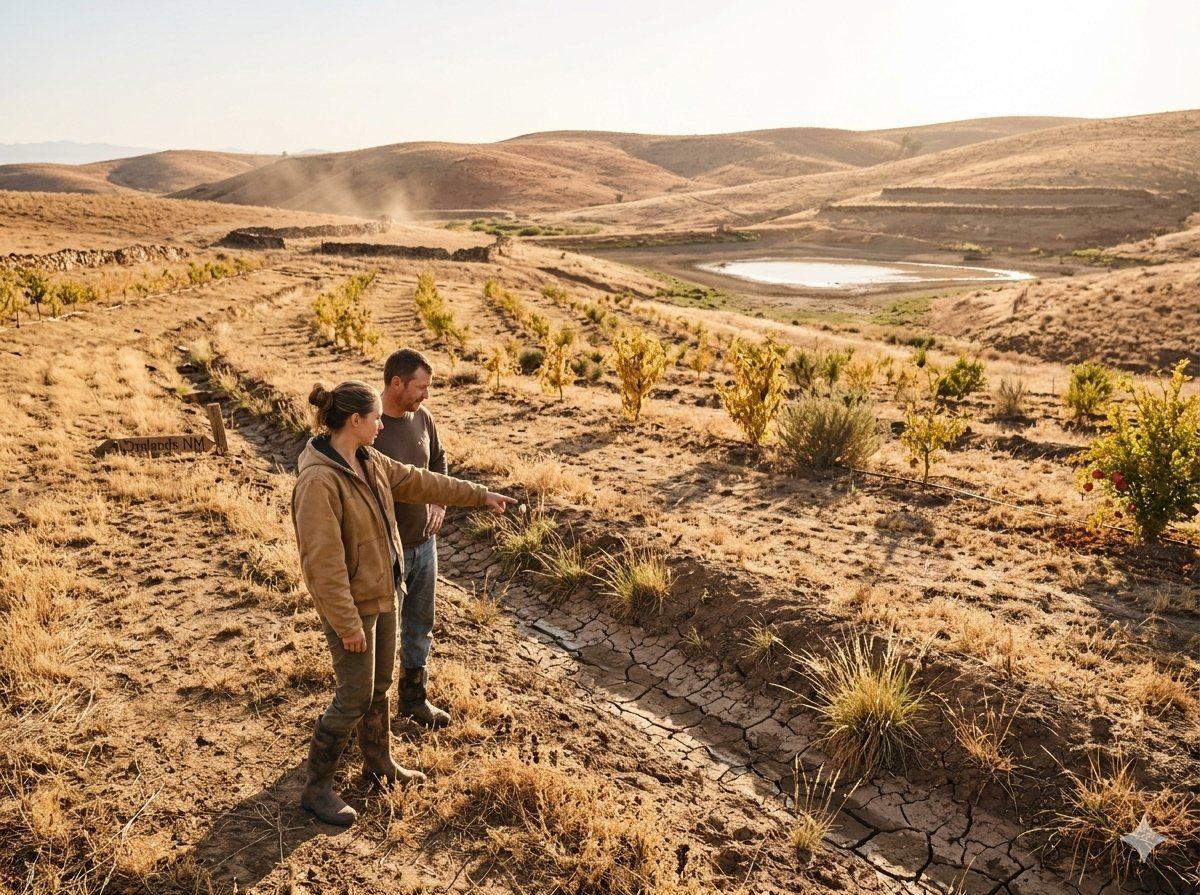
Monsoon season can bring a deluge, transforming vital rainfall into destructive runoff. Instead of letting this precious water erode your land and drain away, imagine harnessing its power to nourish your farm and build lasting resilience. At Vital Soil Landscapes, we champion innovative, nature-led approaches to water management that turn challenges into opportunities for growth and abundance. This post will explore how earthworks and Keyline design offer practical, effective strategies for capturing and utilizing monsoon runoff, transforming your landscape into a more sustainable and productive ecosystem.
The Foundation: Harnessing Water with Thoughtful Earthworks
Earthworks are the intentional shaping of land to manage water flow, slow its movement, and encourage infiltration into the soil. Far from being disruptive, these carefully designed interventions mimic natural processes, creating conditions for water to spread out rather than concentrate and cause erosion. Common earthwork structures include swales, which are level ditches dug along contours with an accompanying berm, and terracing, which creates stepped platforms on slopes. These features act as sponges, intercepting fast-moving runoff, holding it temporarily, and allowing it to slowly seep into the ground, replenishing groundwater and hydrating surrounding vegetation. By slowing water down, earthworks prevent topsoil loss, enhance nutrient retention, and lay the groundwork for a healthier, more productive landscape.
Precision in Practice: Unlocking Efficiency with Keyline Design
Keyline design takes water management a step further, offering a strategic blueprint for optimal water distribution across your land. Developed by P.A. Yeomans, this system uses a specific contour line, known as the "keyline," to guide the layout of agricultural features like cultivation lines, tree rows, and access roads. The core principle is to spread water from the wetter, higher parts of a landscape to the drier, lower parts. By identifying natural drainage lines and creating slightly off-contour furrows or swales that gently fall away from the keyline, water is encouraged to fan out laterally across slopes. This not only prevents water from channeling and eroding but also ensures a more even moisture profile throughout the property, maximizing the impact of every rainfall event.
Cultivating Resilience: Benefits for Your Land and Livelihood
Implementing earthworks and Keyline design yields profound benefits that extend far beyond simply capturing water. These methods are central to effective Soil Regeneration Strategies, as increased infiltration helps build healthy soil microbiology and organic matter. Landscapes managed with these techniques demonstrate significantly improved moisture retention, reducing the need for supplemental irrigation during dry spells and making them inherently more robust. This leads directly to Drought-Resilient Land Planning, safeguarding agricultural productivity even in unpredictable climates. Furthermore, by mitigating erosion and nutrient runoff, these practices protect water quality downstream and foster a healthier overall ecosystem, increasing biodiversity and supporting beneficial insects and wildlife.
A Holistic Approach: Beyond Just Water Capture
The integration of earthworks and Keyline design represents a foundational element of Holistic Land Management. It's not just about what to do with excess water, but how to design the entire system to thrive. These strategies effectively function as Green Stormwater Infrastructure (GSI) on an agricultural scale, turning what might otherwise be a problem into a resource. The design principles inherent in Keyline and earthworks encourage thoughtful observation of the land, leading to more informed decision-making and a regenerative mindset. This holistic view helps create landscapes that are not only productive but also resilient and ecologically robust, offering long-term sustainability. For those looking to transform their operations, Regenerative Agriculture Consulting often begins with these fundamental water management principles.
Harnessing monsoon runoff through thoughtful earthworks and Keyline design is a powerful step towards a more resilient and abundant future. These nature-led approaches, championed by Vital Soil Landscapes, empower landowners to transform their properties into thriving ecosystems that actively build soil health, conserve water, and enhance productivity. By proactively managing this precious resource, you're not just preventing erosion; you're investing in the long-term health and vitality of your land. To explore how these strategies can benefit your specific landscape, consider reaching out to learn more about tailored land management solutions.